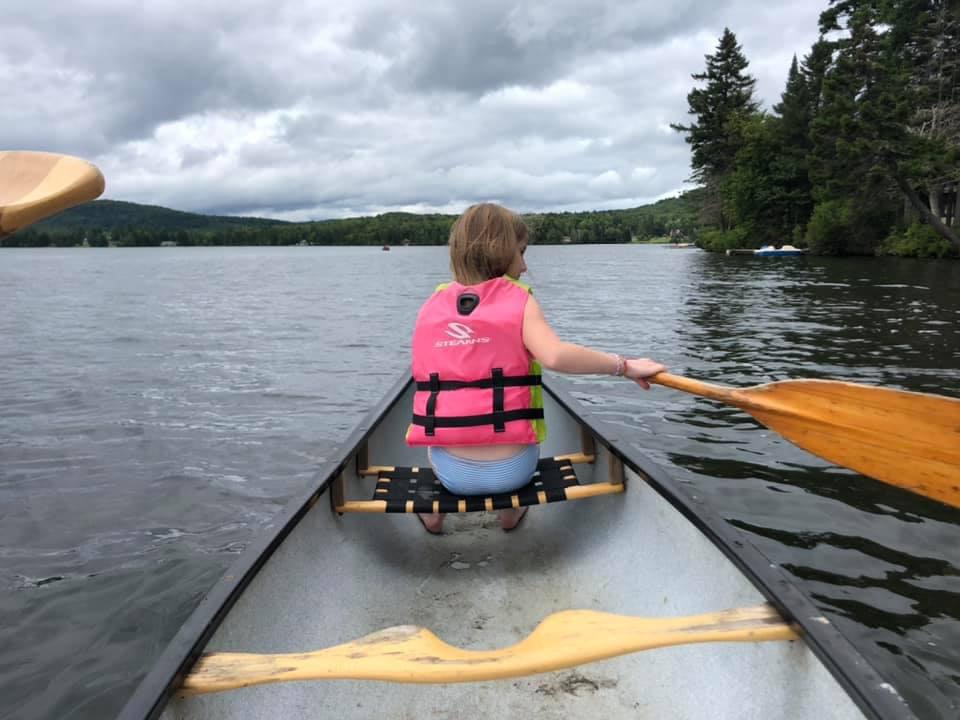
FIRST IN A SERIES LINKING THE OUTDOOR SPORTS AND THE REAL ESTATE MARKET
The great state of New Hampshire has a tradition of hunting and fishing that goes back to before we even thought about declaring our Independence from the tea-sipping fancy pants in London. When the Pilgrims arrived in what was to become New England they found a great bounty in our ocean waters, our streams and lakes, and to a lesser extent, in our forests. Today these traditions are still holding strong, although the number of hunters in New Hampshire continues to fall.
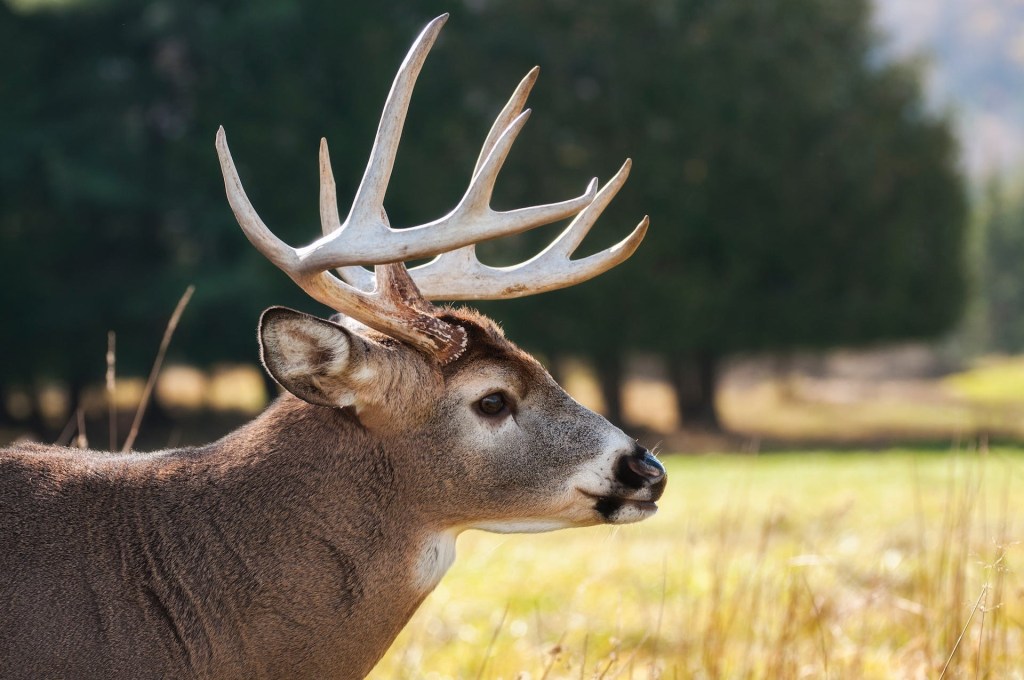
There is no denying that great outdoor opportunities are a part of the reason that so many people from more urban and congested states consider New Hampshire when the time comes to retire, or when they are able to purchase a vacation home. It is one image in a larger mosaic, the idea of freedom in the woods or on the water, no sirens or car horns, no computer screen in your face or cell-phone tethering you to the working world. And while, the “conveniences” of the modern world are certainly available to us wherever we go, when we go to the woods we can turn them off and tune them out.
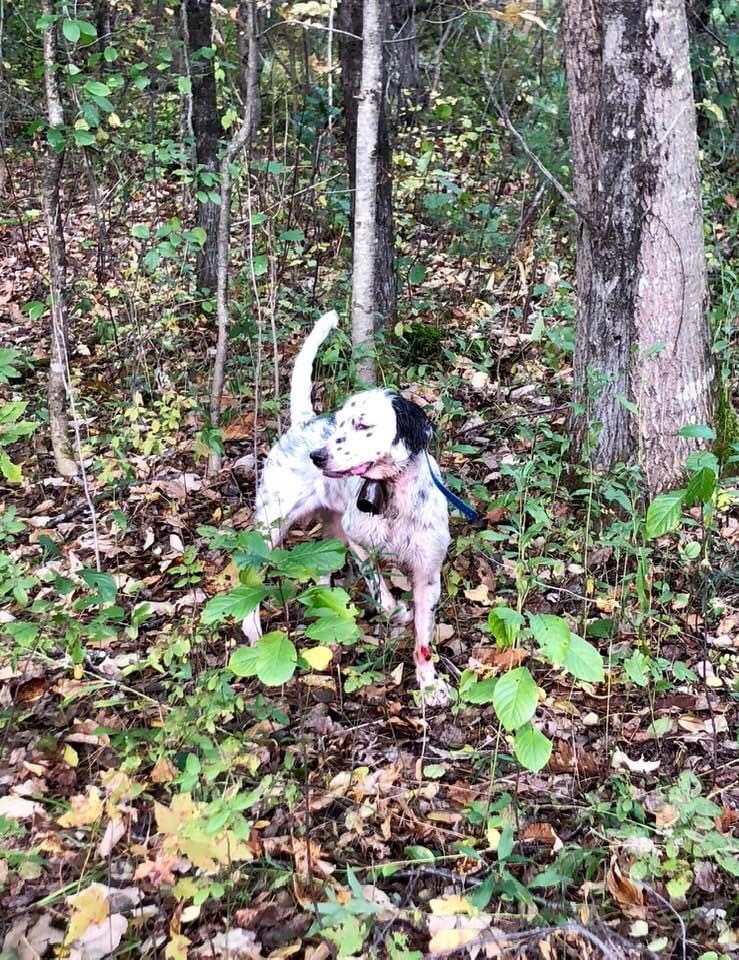
This blog is an attempt to combine my two passions. I live for October, and the sound of a bell on a dog or duck wings ripping through the frosty morning air. But I also am committed to my life’s work, which is finding great homes for people to write the next chapter of their life’s story. So we are going to take a trip around a few corners of the state, and get a rough idea of where you should look if your interests are hunting and fishing, and what you should expect to find as you enter the real-estate market in those parts of the state.
HUGE CAVEAT: ANOTHER IMPORTANT TRADITION IS NOT GIVING AWAY YOUR BEST SPOTS! SO TAKE THIS AS A GENERAL GUIDE, AND ENJOY THE SEARCH FOR THE SPECIAL PLACES IN NEW HAMPSHIRE TO CALL YOUR OWN.
THE SEACOAST:
HUNTING IN SOUTHEASTERN NH: Despite being among the most populated parts of the state, the seacoast area of New Hampshire also enjoys an abundance of white-tail deer, wild turkeys, and to a lesser extent, migrating waterfowl. Rockingham County, which makes up the seacoast area and parts inland, ranks first in the state in terms of deer harvest in most years. In 2023, Rockingham checked in with 2154 deer harvested out of 13,038 statewide. Surprisingly, Hillsborough County ranked first with 2156. In an attempt to lower the deer population, NH Fish and Game provides for extra deer tags in WMUs L and M, which are predominantly though not entirely in Rockingham County. However, you should be aware that many towns along the seacoast and inland forbid the use of rifles for deer hunting, a safety precaution given the human density. Crossbows? Sure go ahead Darryl.
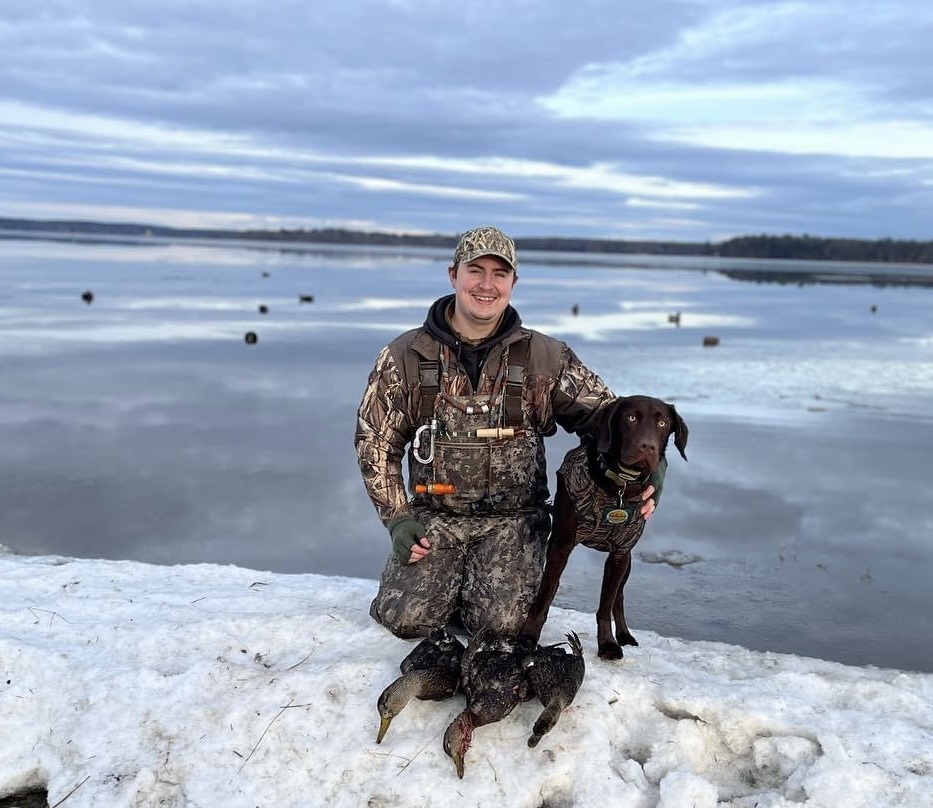
Another great tradition in New Hampshire’s seacoast area is water-fowling along the shores of Great Bay. Starting in the 1980s, and then continuing with the partial closure of Pease Air Force Base, an effort was made to protect access to the shorefront, and to preserve the fragile ecosystem found there (LINK: HUNTING ON GREAT BAY). Great Bay is a special place, and hearty hunters like my nephew Christopher Magee, pictured below with his Labrador Retriever Fisher, can find black ducks, mallards, diver ducks and Canada Geese.
FISHING IN SOUTHEASTERN NH: I usually try to not speak on subjects that I know nothing about, but I will say that one of the fascinating outdoor sports in the seacoast area is sport-fishing for Stripers as they make their way up the coast on their annual migration (LINK:NH FISH AND GAME SALTWATER FISHING ). Great Bay is again a popular spot with several access points. However, rumor has it that the actual ocean-front is the place to be, and that night-time excursions along Rt 1 can be very productive for this trophy fish. Apparently in summer of 2023 a young fisherman landed a 49-inch Striper of of Seabrook Beach (LINK: STRIPED BASS ALONG THE NH SEASHORE), which is nice.
There is also considerable fresh-water fishing in this part of the state. One of the primary targets for anglers are the large and small-mouth bass populations that can be found in many of the small lakes that dot the seacoast area. Another well-known angler destination is the Lamprey river, which hosts a variety of species including sea-run brown trout in its lower reaches.
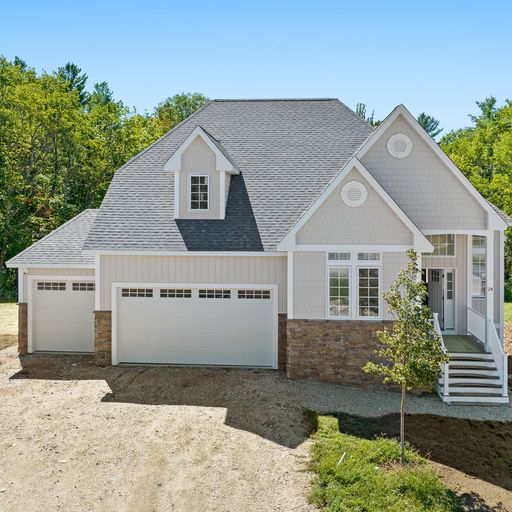
REAL-ESTATE IN THE SOUTHEASTERN NH: As you probably are aware, real-estate values have skyrocketed in the past decade. Nowhere is this more true than in Rockingham County, which makes up the bulk of the seacoast region. In March of 2024, the average sales price of a home in Rockingham County was a robust $665,000. This represents a 12% increase over the same time last year, with 6% fewer homes being sold. This represents a tightening of the market that is discouraging for home buyers. However there is a bright side for home buyers in the seacoast region, and that is the fact that there are several prominent and high-quality home builders that have made an effort to meet the incredible demand. One such builder is Graystone Builders, who have had successful projects in Newmarket, Stafford, as well as a continuing project in Dover called “Catherineburgh.” Graystone and others provide a great opportunity if you have the desire, and obviously the means, to call the seacoast your home.
THE LAKES REGION
HUNTING IN THE LAKES REGION: As you move away from the seacoast and the population centers in the southern part of the state, you start to see more of the traditional New Hampshire landscape. In the Lakes Region that can mean bigger stretches of forest, active farmland, and managed woodlands. All of those elements provide great habitat for the whitetail deer that inhabit the region. Almost any of the towns in the Lakes Region will provide opportunities for deer hunting if you put your time in and do some scouting. Look for ridges of mature oak and beech adjacent to swamp or early regrowth. Most of this part of the state is privately owned but the land is typically not posted against hunting, therefore access is allowed (New Hampshire is home to the “right of trespass” which is a cherished tradition in the Granite State). There are also some large parcels of public land that can easily be found on the NH Fish and Game website, although personally I recommend purchasing a DeLorme’s Atlas and Gazetteer for easier use. As with all parts of the state, you need to familiarize yourself with the rules of the WMU in which you are hunting as well as the boundaries of the WMUs.
The Lakes Region is home to thousands of acres of land controlled by the Army Corp of Engineers. These properties are managed for multiple uses, among them is the pursuit of wild game. One of the premier properties is the Franklin Falls area (LINK: FRANKLIN FALLS FLOOD CONTROL AREA). This property is a flood control area that was partially the town of Hill, NH. Hill Village was relocated for the construction of the flood control dam downstream in Franklin. Visiting the Old Hill Village section of Franklin Falls is a great experience whether you are hunting or just sightseeing. But make no mistake, the Army Corp of Engineers works hard to maintain the property as habitat for wild birds such as woodcock and ruffed grouse. Other great flood control properties offering hunting and fishing opportunities are in Hopkinton and Webster.
Another characteristic of the Lakes Region that helps with the hunting opportunities is the fact that a large portion of the forest-lands are managed woodlots. This means that they are occasionally harvested for timber, firewood, pulp, or other uses. This creates a mosaic of variably aged standing trees along with cleared areas primed to regenerate. It is in these managed woodlands that you will find deer, bear, moose, game birds and a variety of other species of animals. The Lakes Region is proof that logging, done responsibly, is the best friend that hunters and other enjoyers of wildlife, can have.
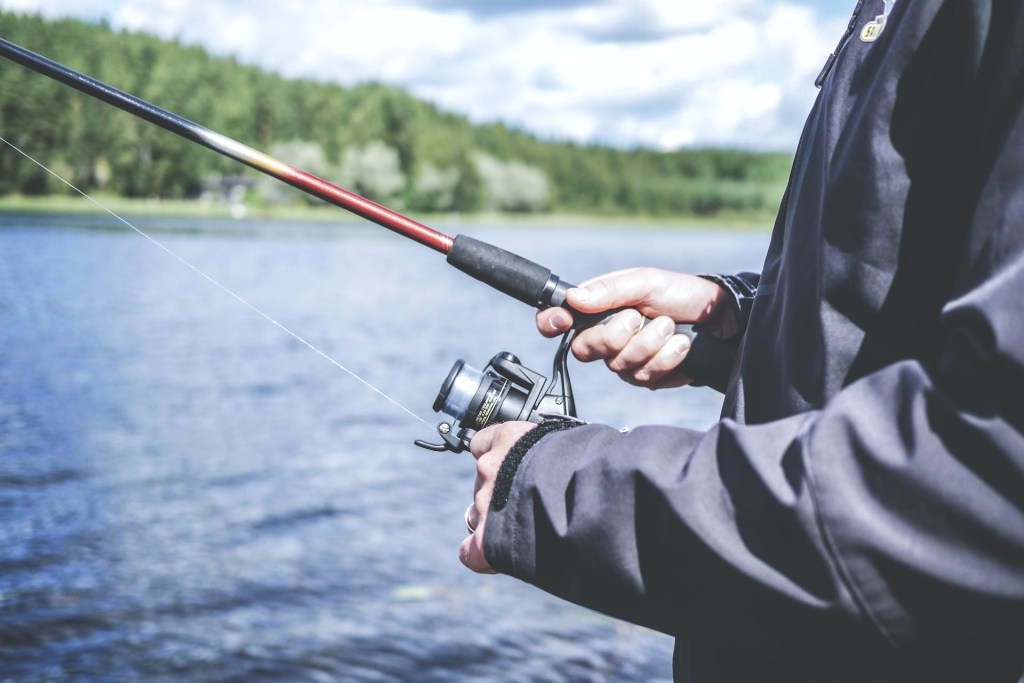
FISHING IN THE LAKES REGION: In many ways, The Lakes Region of NH has some of the best freshwater fishing that can be found anywhere in the United States. Not a lot of places combine the cold-water fisheries, the warm-water habitats, and the stream-fishing opportunities like you can find here. You would be hard-pressed to take in all the angling opportunities in the Lakes Region over the course of a summer. The premier attraction is probably Winnipesaukee with its 72 square miles of water surface and hundreds of islands to explore. The fishing on Winnipesaukee can be outstanding, with anglers focusing on Lake Trout and Landlocked Salmon early in the season and various bass and warm-water species as the summer progresses. Winnipesaukee has many available access points for boating fisherman. One point to keep in mind is that Winnipesaukee is no joke, the weather can make life difficult on small boats and there are many areas of the lake that are difficult to navigate. Also, summer weekends bring everyone and their brother out onto The Big Lake. The boat traffic can ruin your fishing trip and be very intimidating. Obviously there are less-traveled parts of the Lake but they are hard to find on those busy days. Another great lake for fishing is Newfound Lake, managed for cold-water species such as trout and salmon. Limited public access can make launching your boat a stressful event, but once on the water there seems to be less traffic. Early season hotspots for trout and salmon include the brook mouths that feed the lake, as they are home to smelt runs which provide forage for the game fish. The northern-most lake in the Lakes Region is Squam Lake (LINK: SEE MY BLOG POST ON SQUAM LAKE HERE). This is an exquisitely beautiful body of water with an array of fishing opportunities as well.
As good as the fishing in the lakes is, it is easy to overlook the stream fishing opportunities. After all, it is the Lakes Region. But if you are a fisherman, especially a fly-fisherman, you would regret not exploring the rivers and streams here as well. For example, the stretch of the Pemigewasset River from Bristol to Franklin has a great reputation for large trout, and the pressure from other fisherman is usually very light. Another great spot is the Newfound River itself (allegedly the shortest river in NH), which flows through the picturesque town of Bristol. There are a myriad of other options as well, smaller streams like the Mad River coming out of Waterville Valley, and the Baker River west of Plymouth. There are a few good resources on the internet to help you find the best spots but really the best advice is to get in your waders and go.
The waters of the Lakes Region, like the rest of the state, receives thousands of stocked fish annually from the hatcheries of the Fish and Game Dept. That information can be found on their website (LINK:NH STOCKING REPORT).
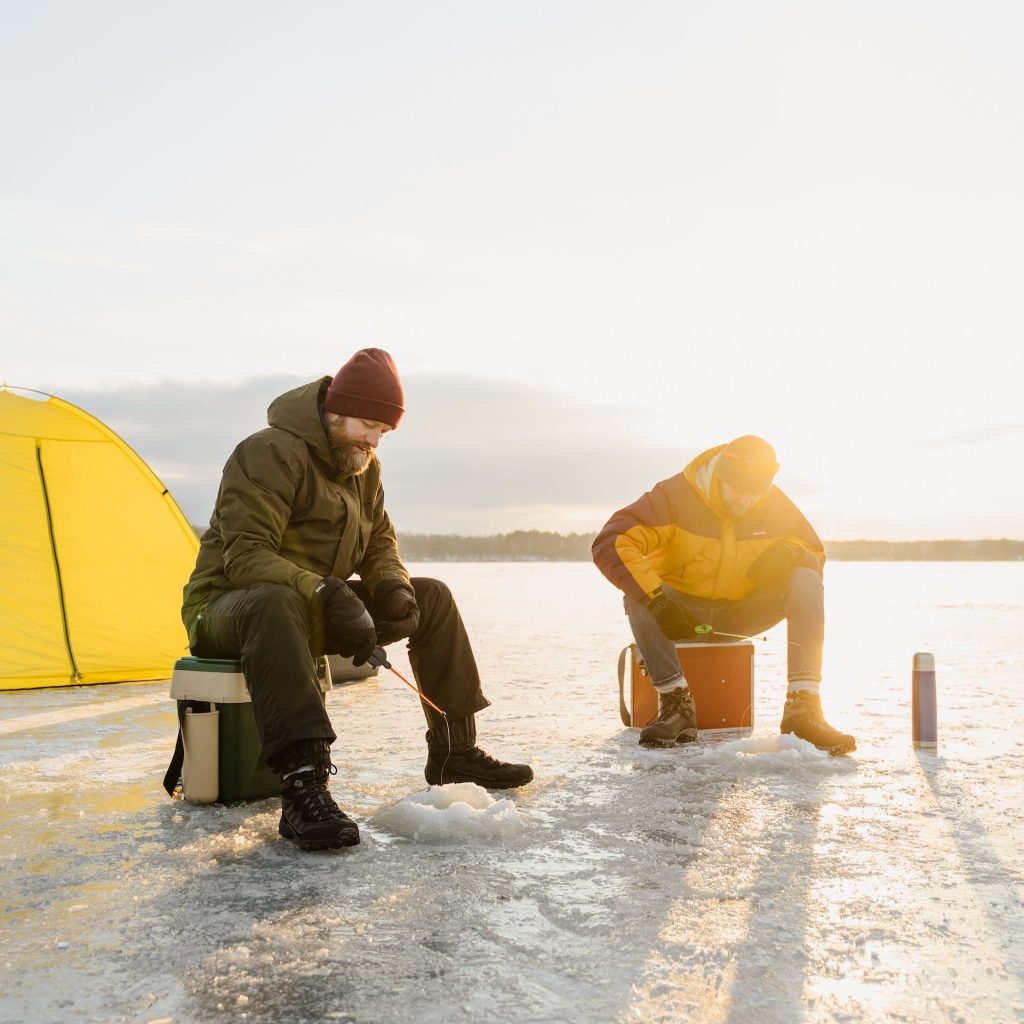
Also, if this is your thing, New Hampshire has a long tradition of ice-fishing on our lakes. There is a cadre of fishermen for whom this is a passionate pursuit. Interestingly, this is an area where technology has really had an impact. Fish-finders, underwater cameras, motorized ice-augers, snowmobiles, and mobile lightweight shanties all make this an almost enjoyable past-time.
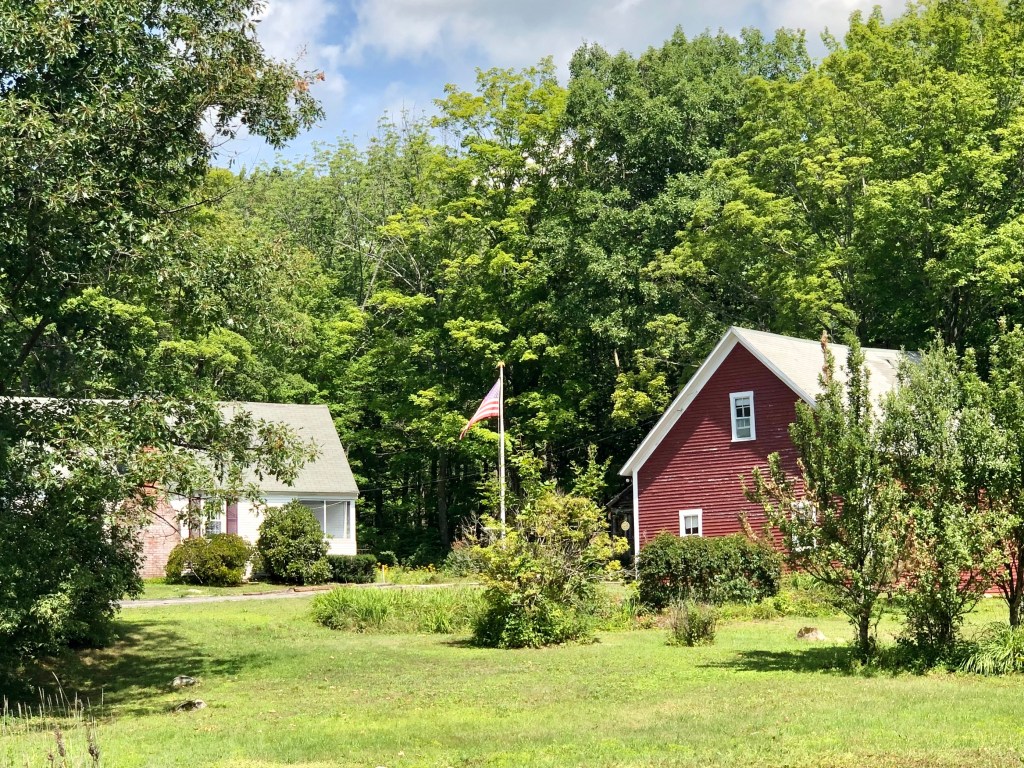
REAL-ESTATE IN THE LAKES REGION: Like other parts of the state, the real-estate boom that came with the COVID pandemic has not subsided in the Lakes Region. This is my home-market and we suffer from an incredible lack of inventory that makes relocating here very difficult. It is not impossible however, it just takes a commitment to finding the right place and an understanding that you will pay more than you think you should. However, you should be comforted by the fact that most people in the industry believe that this market boom is not a bubble in any way, and that real-estate is still a good investment in New Hampshire, particularly in the Lakes Region, which is always so desirable.
What the Lakes Region offers, that is less available in other parts of the state, is the possibility of a waterfront home on a lake that is filled with fishing, and also provides other recreational opportunities for the whole family. Being able to walk out of your home, across your lawn, onto your dock and then stepping into your boat is a true joy that people cherish. It logically follows therefore that the prices on these homes are higher than other homes, and getting higher every day. As someone who has sold properties on 9 of New Hampshire’s lakes, I can help you find your dream waterfront home. It is not impossible, just difficult.
Another benefit for relocating to the Lakes Region is the location allows you reasonably quick access to the other parts of the state to enjoy their hunting and fishing opportunities. For example, from my home in Bridgewater it is only a 2 hour ride to the bird hunting locations in the northern part of the state, but I can also be at the seacoast in an hour or so. This, combined with the modern amenities of the Lakes Region (shopping, restaurants, hospitals, educational opportunities) is a great reason to choose to live here.
When looking for real-estate statistics relevant to the Lakes Region, it helps to focus on Belknap County. Although the region also is also made up of portions of Carroll, Merrimack, and Grafton counties, Belknap is at its center. The stats for 2024 in Belknap County are not encouraging for those who seek to relocate here. Through March of 2024, we have seen a 24% increase in the median sales price of single family homes in Belknap County, with a corresponding 16% drop in days on market. The good news is that there is a slight (5%) increase in active listings, though the total number of 104 is far below the norm for a healthy market.
The Lakes region does not have the new home construction activity that the Seacoast has, but there are some very desirable options for those who prefer new-construction. I have been fortunate enough to have sold over a hundred brand new homes in the last few years. I can direct you to what is available and what is coming in the new-construction pipeline. In fact, keep an eye on this blog-site as we launch at least one new-construction project in the coming months.
THE NORTH COUNTRY (COOS COUNTY)
For the outdoor enthusiast, the man or woman that has toiled away in the job and commercial centers of Massachusetts or southern New Hampshire, there is no more appealing destination than the Great North Woods of New Hampshire. Here, the hunting and fishing opportunities abound.
But be advised, it is a different world. A better one? Maybe, but definitely different. For example, the weather can end a hunting trip before it starts. Logging operations can render a great location inaccessible. A late ice-out can ruin a planned early-season fishing trip. The bird populations rise and fall with the mysterious cycles of nature, and may be on the low end for your hunting trip. Drought can lower the levels of the Connecticut Lakes to make boating difficult. The deer, while big-bodied and long-legged are true trophies due to their low-density, and the woods they call home are massive and intimidating. A careless, or even well-prepared hunter, can get turned around very quickly.
All of these can happen, but honestly, as they said in “Mad Men,” who cares? You’re in God’s Country and nothing else matters (although the getting lost part still matters, I suppose).
HUNTING IN THE NORTH COUNTRY: The opportunities for hunters in The Great North Woods are boundless. For deer-hunters, it is extremely important to know the areas that you are hunting in. As mentioned before, it is easy to get turned around, especially if trailing a wounded deer or on the track of once-in-a-lifetime buck. Understand that cell reception is spotty, and rescue can be hours away. It is always advisable to use the buddy system. But if you are capable and prepared, the chance for a true trophy white-tail is enough of a draw to bring you North. Like anywhere else, a knowledge of the biology and habits of deer is the most important tool in the tool-box when hunting in the North Country. Finding the locations that the deer utilize on a regular basis is imperative in an area as big as this, with a relatively low density. If you know what you are looking for, there are many apps and print publications that can point you in the right direction. Generally speaking, you want to look for actively managed woodlands with access to water, food, and cover.
The nature of deer hunting up north lends itself to low success rates and small harvests. In Coos County there were 848 deer harvested, the second-lowest number of any county in the state. This can be frustrating when you only have a weekend, or a day-hunt, to fill your tag. This is why you should probably just move up there when the time is right. The locals love newcomers!! 🙂
The bird hunting in the North Country can be legendary. Again, you need to know where you are going, and what to do when you get there, but the effort is worth it. Ruffed grouse and woodcock are abundant, and the logging operations that occur are creating new habitat every day. There is an opportunity for self-scouting for these birds, as driving the dirt roads and the spurs off of them can show you great habitat. Look for areas that have been logged between 5 and 15 years ago, with access to water. Try to find areas off the beaten path a little bit, and don’t hunt where another truck is parked. There are miles of habitat up there and no reason to be a jerk.
Water-fowling is often overlooked in the North Country, but whether it is ducks on the marshes or ponds or geese in the cornfields, the opportunities are there. Success can VERY dependent on the weather, but that is true anywhere in the world of water-fowling. A great strategy in the north woods is heavily scouting the many beaver ponds and dammed flowages of the small streams for early season ducks and then switching to the lakes and rivers as the ponds begin to freeze.
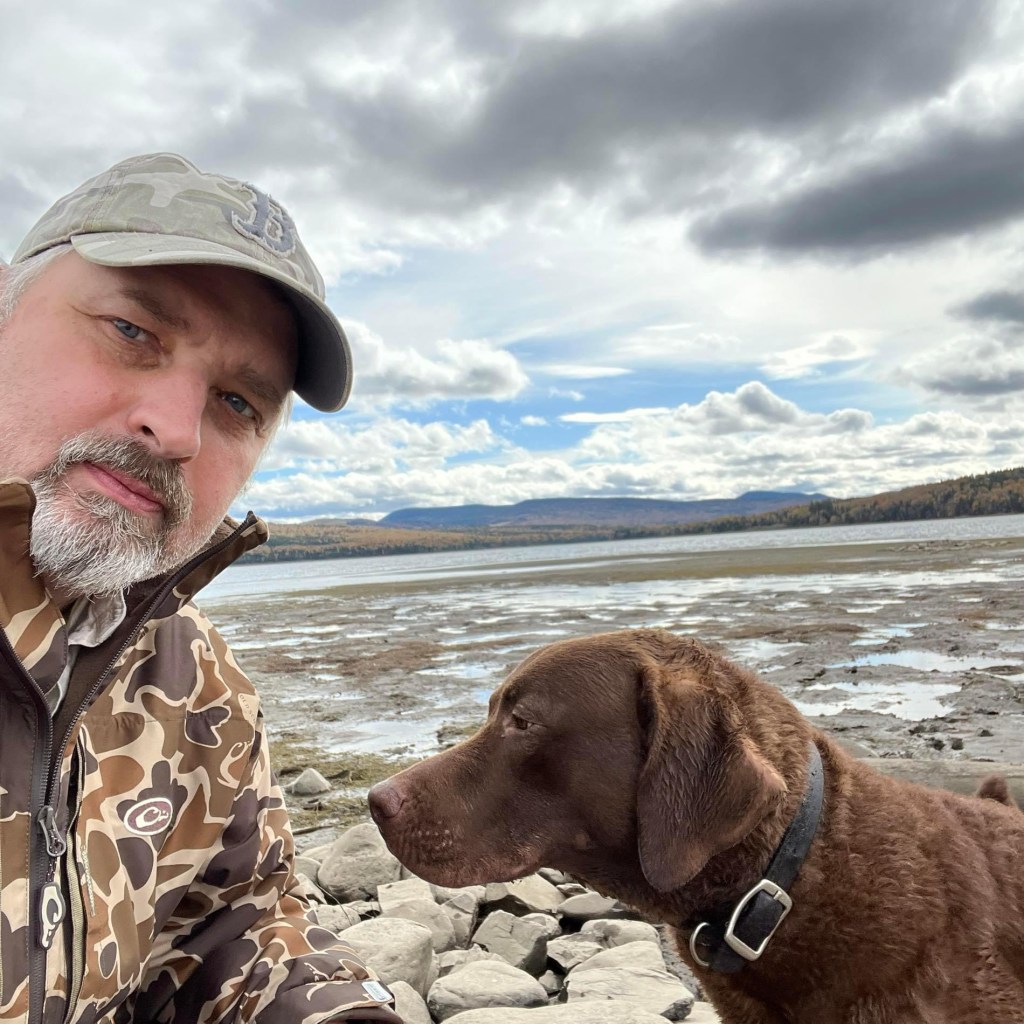
As mentioned, the woods up north can be very intimidating. It is never a bad idea to hire a guide to put you in position for success. I highly recommend Adam Dubriske of West Hill Outfitters (WWW,WESTHILLOUTFITTERS.COM). Adam has great dogs for bird hunting and knows the area extremely well. Whether it is birds, deer, or moose, Adam can help you out.
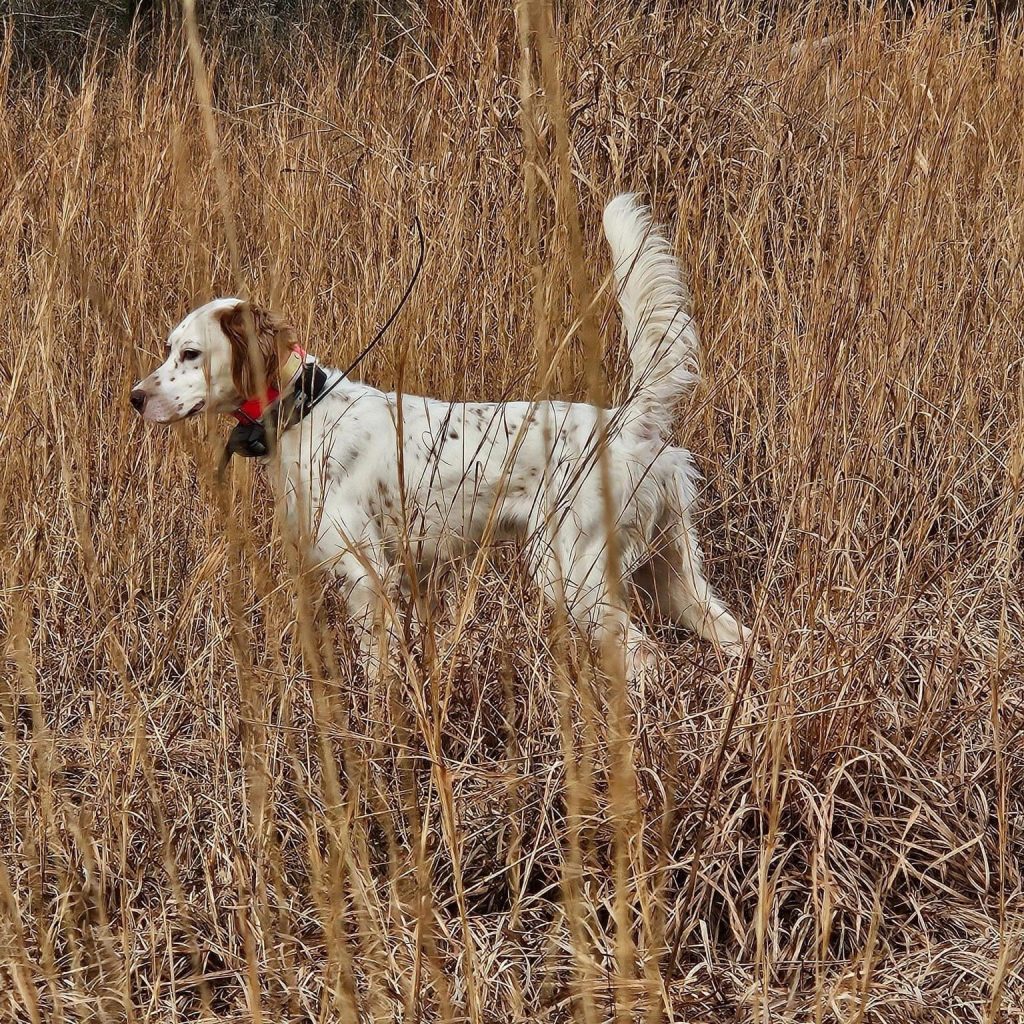
FISHING IN THE NORTH COUNTRY: The Great North Woods of New Hampshire has some of the finest stream fishing in New England. The fly-fishing opportunities are legendary and endless. Again, it pays to know the area. Finding a spot to fish isn’t difficult. Finding THE SPOT can be. Time spent on the streams and rivers is really the only solution, although as with hunting, hiring a guide can be beneficial. I spend time every year at Tall Timber Lodge, and their guide service can put you on fish. I strongly recommend their services, as well as the Lodge itself (WWW.TALLTIMBER.COM).
There are two main rivers in the North Country, although there are hundreds of miles of other fishable streams worth your time. The Connecticut River starts in the far north, almost at the Canadian border, and travels south through Pittsburg. Along the way it is dammed in several places creating the Connecticut Lakes (LINK:LAKES IN PITTSBURG). These lakes are a wonderful cold-water fishery, with great opportunities for Lake Trout especially. The river itself is world-class, with stretches of productive and beautiful water. One good idea is to access the river in the Columbia area, thereby avoiding the more popular spots in the legendary town of Pittsburg. But wherever you go, you will find fish. There are safety concerns, and you should always let someone know where you are going, but the journey is worth the effort. The second great river of the North Woods is the Androscoggin, which comes tumbling out of Lake Umbagog (itself a wonderful attraction, and interestingly enough, a good warm-water fishery) in Errol. As the river winds south it is followed by Rt 16, providing great access to this world-class fishery. In both rivers there are opportunities for kids to fish as well. It is not only a trophy destination, it is a family adventure as well.
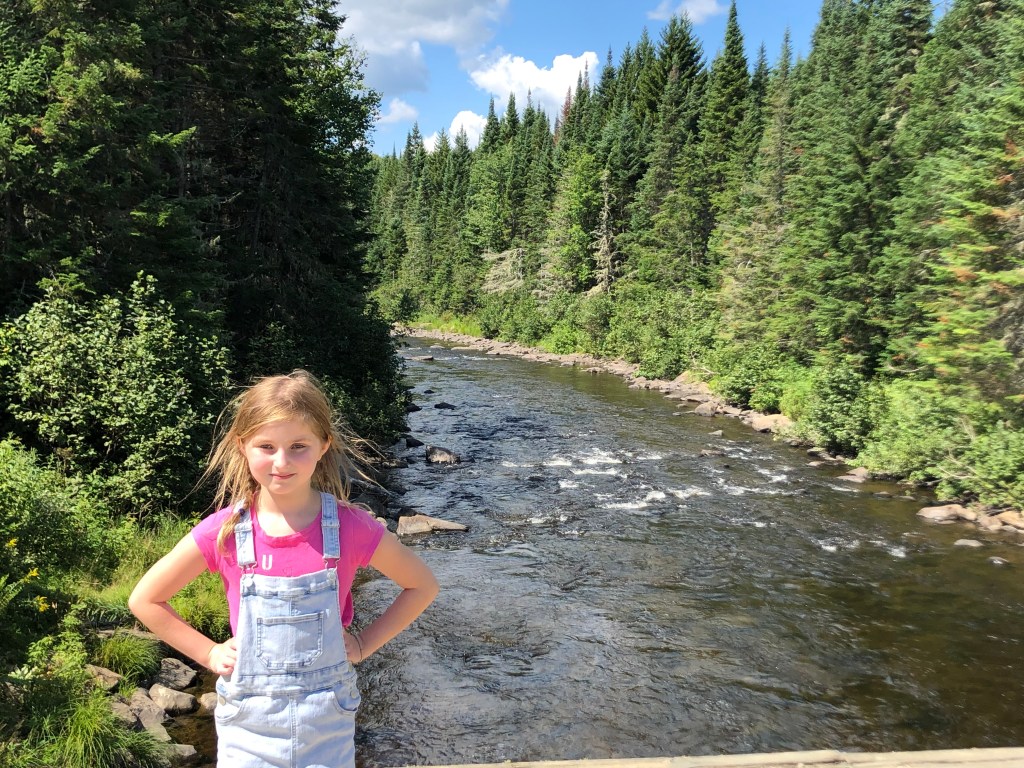
Of course, there are other great streams and rivers in The North Country to wet a line. A rewarding way to spend the day is to explore the smaller tributaries of the lakes and larger rivers, wading upstream or along the banks and trying your luck in the pools you find along the way. It can be tougher fishing, and you’ll probably lose a fly or two, but the opportunity is there for native trout, and those are a trophy all to themselves.
There are some good resources for information on fishing in Northern New Hampshire, including from the Fish and Game Department (LINK:NH FISHING UP NORTH) as well as the Orvis report (LINK:ORVIS FISHING IN NH).
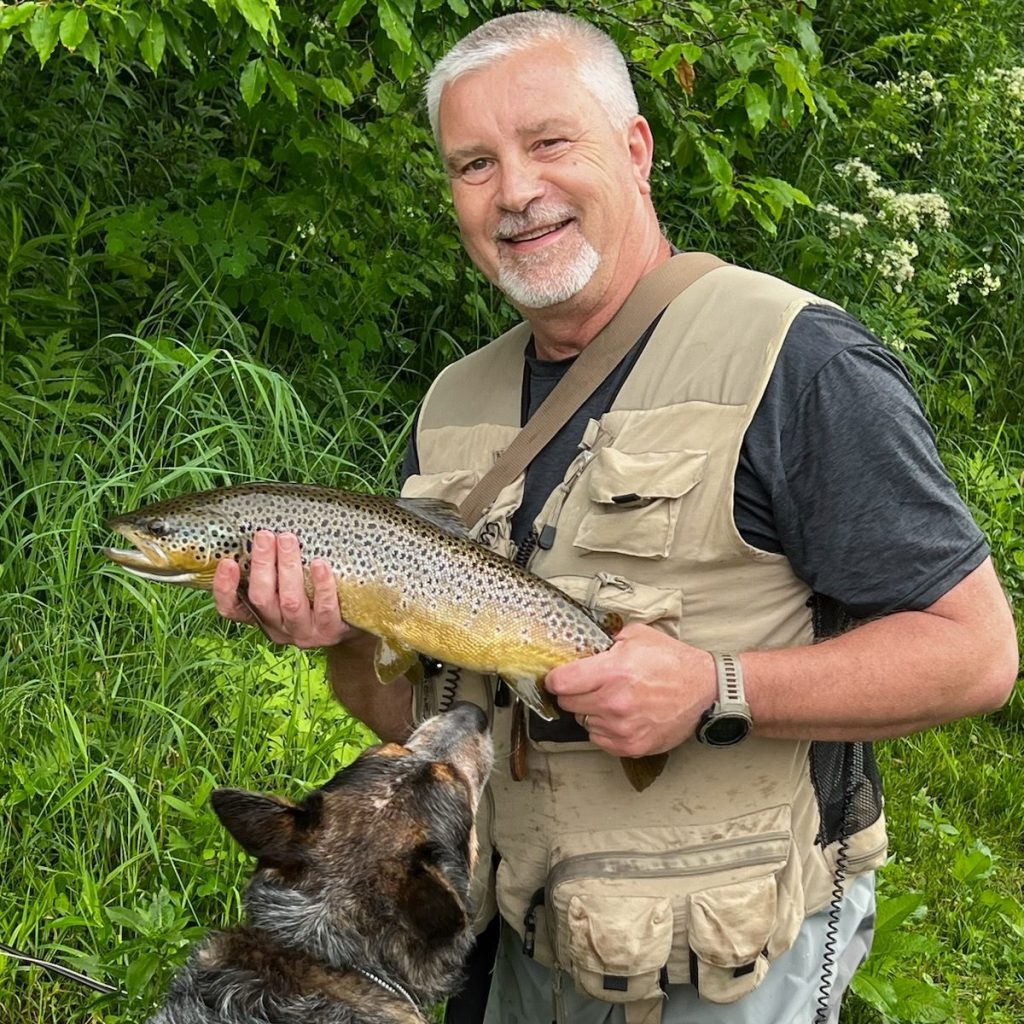
REAL-ESTATE IN THE NORTH COUNTY: For our purposes I am only including Coos County as the North Country or The Great North Woods, but in reality (or at least to me), it includes all the land north of the White Mountain National Forest. A look at the statistics in the world of real-estate up north shows that the incredible boom that has existed in other parts of the state has only hit pockets (“hot pockets” if you will), of the northern market. In Pittsburg, the average sales price has gone from a little over $100,000 in 2013 to almost $375,000. with the bulk of that increase coming from the “Covid Bump.” However, in Coos County at large, the increase has not been as dramatic. In 2024, the average sales price in Coos County of a single-family home is only $225,000. This is still a doubling from 11 years ago, but affordability is still a possibility in the north. In an odd way, one of the things that keeps the prices down is what makes it attractive in the first place. Relative to the other parts of the state, there is a lack of creature comforts and amenities, which means for a lot of (misguided) people, the North Country is “a great place to visit but I wouldn’t want to live there.”
IN CONCLUSION: This has only been a brief sketch of the outdoor world in relation to real-estate in a few of the corners of this great state. Other parts may be equally deserving of consideration. For example, the Monadnock Region has great hunting opportunities and a robust real-estate market featuring an active new-construction sector. The White Mountain region, despite maybe not having great hunting due to a lack of forest management, provides great fishing opportunities in rivers and streams as well as a healthy supply of new and existing homes (although inventory remains an issue), and of course The White Mountains provide a plethora of other outdoor activities such as world-class skiing.
The truth is that we live in a wonderful state, and there are opportunities everywhere if you know where to look.
Jeremy Avery is co-founder and Principal Broker of Lacasse & Avery Real Estate. He has sold property throughout NH and enjoys hunting and fishing, especially in The Lakes Region and The North Country. He is a specialist in new-construction and waterfront properties and would love the opportunity to earn your business. Call Jeremy at 603-481-2657 or email jeremyaveryhomes@gmail.com. Check out the website at WWW.LACASSEANDAVERYREALESTATE.COM.
All the real-estate statistics in this blog are provided courtesy of the NHAR and can be FOUND HERE IN MORE DETAIL.
 Jeremy Avery's NH Real Estate Blog
Leave a comment