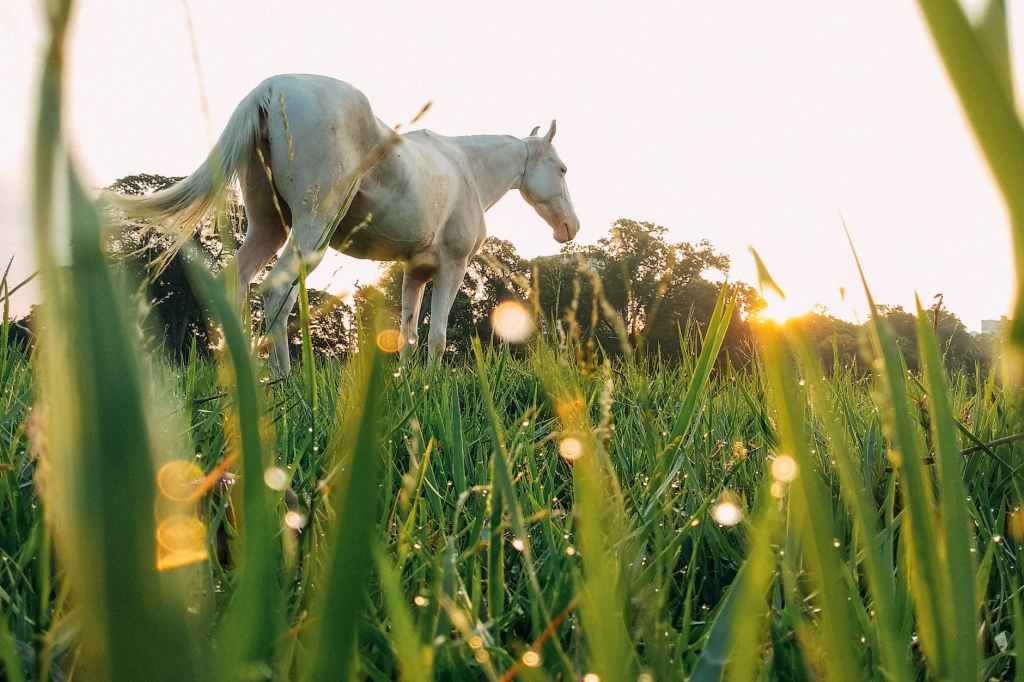
BUYING A NEW HAMPSHIRE HORSE PROPERTY

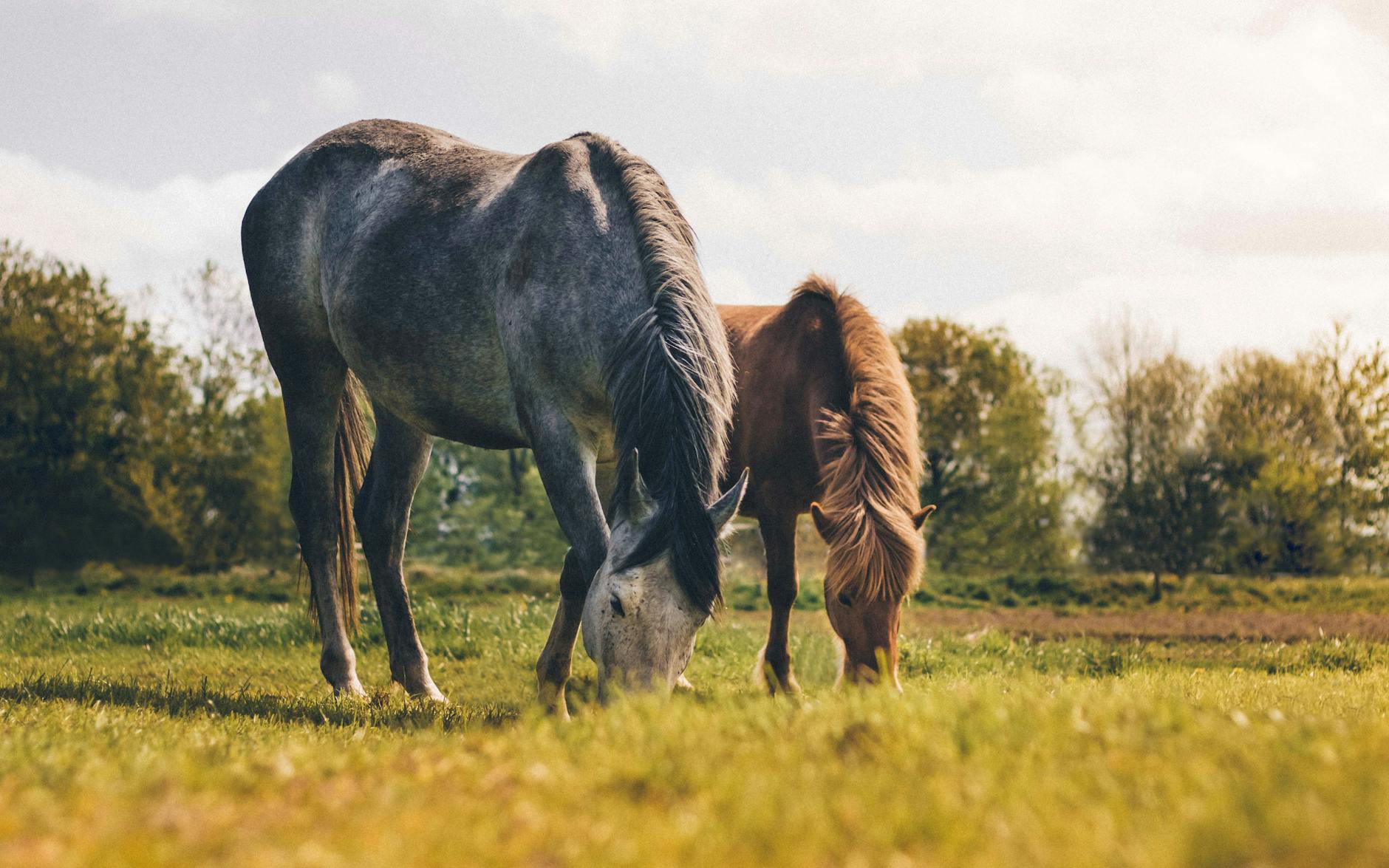
Once upon a time, New Hampshire was even more of an agricultural state than we are today. In the 1800s the landscape was dominated by farms, by pastures and croplands. Horses were an important part of that world and thankfully the tradition of horse ownership is still alive here in the Granite State. Many of us have a dream to someday recreate a little slice of that history. Here is a little guide to get you started on the path to a successful purchase of a New Hampshire horse property.
DON’T FORGET THE FUNDAMENTALS
Even though you are buying a horse property, at the center of it all is a search for the right real-estate and the goal is to make the process as easy as possible and to give yourself the best chance at success. So keep in mind the basics of buying property. First, establish the parameters of what you are looking for and communicate that to your Realtor. Secondly, get preapproved for your purchase before you even look at properties. This will give you an accurate sense of what you can afford and will make any offer much more attractive to the sellers. Third, consider where you want to end up. Remember that life is more than where you hang your head and you will want to be in a general location with appropriate access to transportation, hospitals, shopping, your other hobbies, and potentially school as well. Finally, remember that this represents a huge investment and you need to always keep that in mind. Don’t fall in love with a property and overpay. That can be difficult to remember when we are talking about our passions.
But enough from The Voice Of Reason… let’s get back to farm shopping!
THE LAND
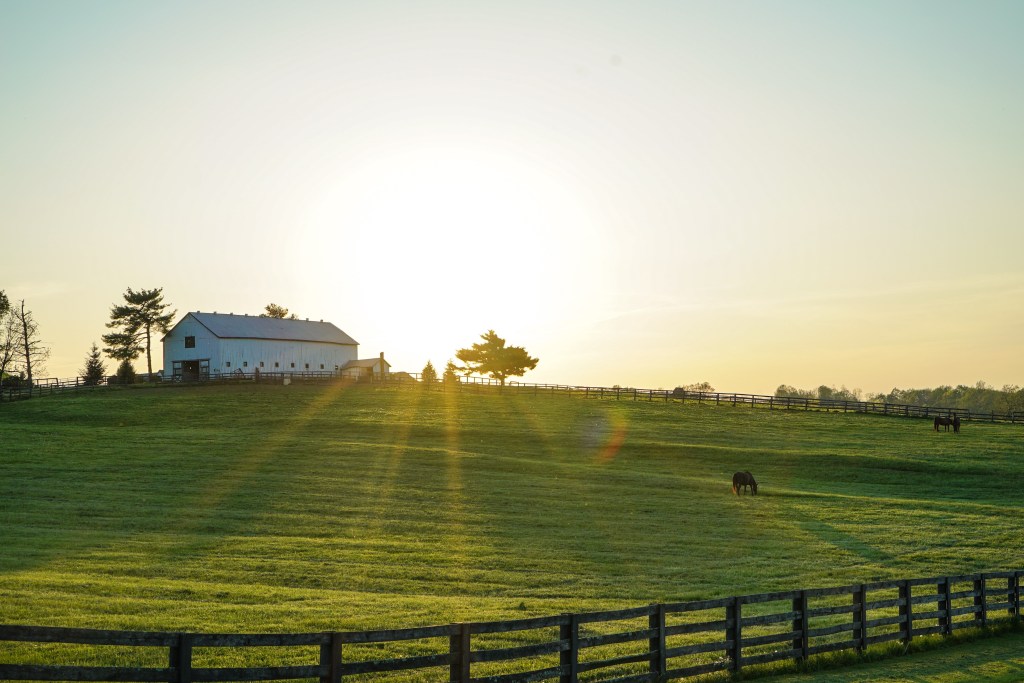
Bigger is better, but not all acreage is created equally. I once had a beautiful log cabin for sale (actually sold it twice) on 44 acres in the country here in New Hampshire, but almost all of it was swamp and bog. Great for ducks, not so much for horses. Generally speaking, I have found that a horse should have 2 acres of “pasture land” available to them. But that can vary dramatically depending on how the land is and has been managed, the forage production it can maintain, and of course the different needs of horses. In New Hampshire specifically, pasture land can sometimes be very rocky and hilly and may not produce what you’d expect. Also keep in mind that for smaller parcels you may find that you need to “rest” the land periodically. This will increase what you need in acreage or decrease what you can accommodate for horses. Additionally, a knowledge of toxic plants will come in handy as you determine the suitability of a potential pasture.
Another aspect of the land is its topography. You will want land that is relatively flat. It should be very well drained with no standing water or areas of mud. I have had clients who specifically wanted to view a farm that was for sale after a period of heavy rain to see how the property handled the deluge. When we got there we saw horses standing in water and slogging through mud to the barn. It was a brief showing. However you should keep in mind that there are often ways to manage the water on a property including berms and ditches or simply doing a better job of sloping the land.
Speaking of water, a nice attraction on a horse property is a natural source of drinking water. Horses drink gallons and gallons of water every day and not having to provide that manually can be very helpful. However you will want to make sure that the drinking water that is available to your horses is clean and will remain so in the future. DIRTY WATER IS WORSE THAN NO WATER. This means knowing where the manure has been stored previously, where you intend to store it, and an understanding of any potential issues upstream of your location. You should also inquire as to whether the water is year -round or if that beautiful little brook you see in the listing photos dries up every July.
Alternatively, you can determine the feasibility of adding a well dedicated to the production of equine drinking water. The well should have decent pressure and a high yield.
THE BARN
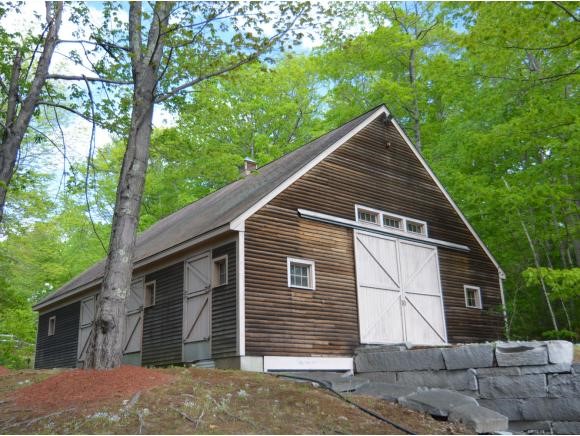
We all love old barns and the history and character they represent. But it is important to understand that old barns can present challenges to the safe upkeep of horses. Most of us know that we should get our house inspected, but I always encourage a buyer to have a qualified inspector check out the barn as well. Don’t be afraid to ask the potential inspectors if they have experience checking out barns and other farm outbuildings. If they don’t, then keep asking until you find one that does. It is important that a barn’s electrical system is checked out completely, given the potentially horrific result of a fire. You should also inspect any existing water source and disposal system for the barn. Sometimes a farm will have a separate septic system for the outbuildings. You will want to know the condition of that system,its location, and its expected lifespan. Another potential concern is the structural integrity of the barn. An inspector should be able to confirm that the structural elements holding up the barn are still in good shape and will last for the foreseeable future. And internally, will the barn hold up the snow loads we can expect here in New Hampshire? And is the roof in good shape to keep out the elements?
In some ways though, you will be the best inspector of your future barn, because as a knowledgeable horse person you understand the specific issues that need attention. A partial list of those would include whether the hay is stored too close to a heat source, whether the land directly around the barn is cleared and safe as possible from pest infestation, and whether the tack room is safe, secure and dry.
Building a new barn is another (pricey) possibility. If this is something you can afford, then work with builders experienced in building working barns for horses and pay very close attention not just to the design and construction but the placement of the barn on the property. You will want it close to the house, but you will want the “waste management” to not interfere with your quality of life.
ZONING
The fact that “yeah the last owner had a couple horses” is not enough to be sure that you are legally allowed to own the horses that you dream about. You have to gain a solid understanding of the zoning laws that pertain to each property before you go to look at them. Some municipalities even have a minimum acreage per horse, so simply confirming that horses are allowed might not mean that the property is right for you. Also, if you have any interest in potentially operating a business from your new home, you will want to make sure that is going to be allowed. I always recommend a direct conversation with the town, and this is one area where hiring an attorney to review any ambiguities is a good idea.
DON’T FORGET ABOUT THE HOUSE
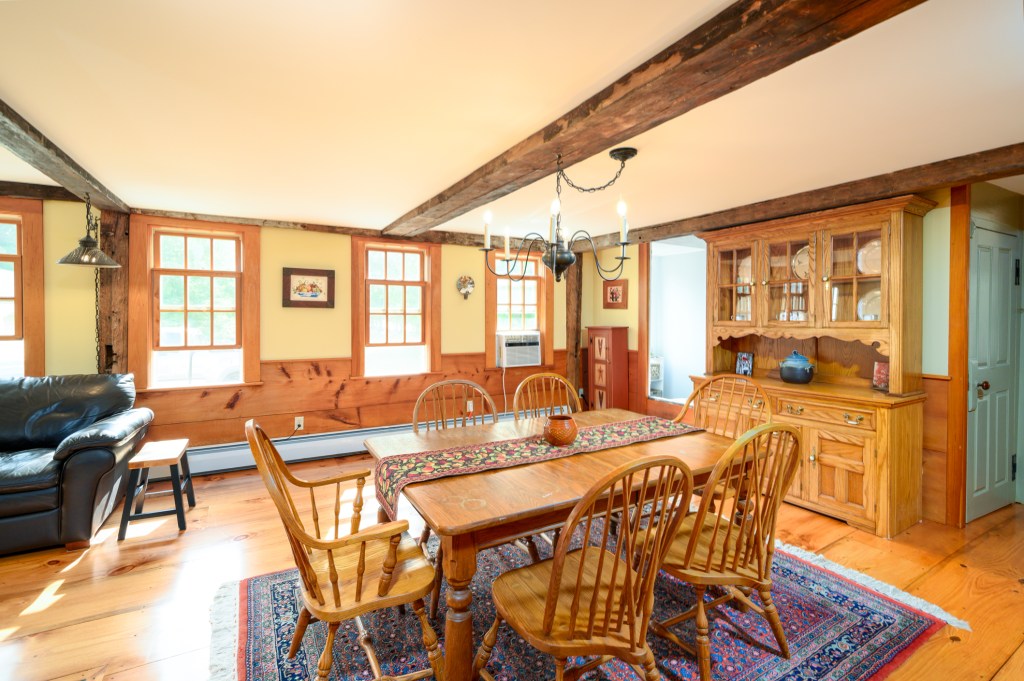
It seems like common sense but it certainly seems that people can fall in love with an old barn and bucolic fields and forget that they will actually be living in the house. You should take just as much care when you look at the house as you do as with any aspect of the horse property purchase. All the fundamentals of home purchasing apply. Your Realtor should be able to keep on the straight and narrow path, with reminders as needed that the home must be safe, functional, comfortable, and as much an integral part of the investment you are making as the stable or riding trails.

PICTURE YOURSELF THERE
You’ve been searching for a while, and now your agent has found you the perfect property to make your four-legged dreams come true. You walked the land, checked out the barn, and toured the house. Everything seems perfect and you are ready to make an offer. Hold on! Now is the time to take a deep breath, and while you are still at the property, or possibly during a second showing (which we recommend), you need to imagine living on this property and managing all the aspects of horse ownership. Some of the more important things to think about are 1) How do I plan on enjoying my horses and can this property accommodate my riding and training needs? Are there trails either on the property or nearby? Is there room for a riding ring? 2) Is there adequate space for manure storage during all four seasons of the year? 3) Is there adequate space for the tractors, for my truck, and for any other farm implements I may need? 4) Will the horses be safe and secure during all inclement weather? Do they have refuge from a sudden storm in their pasture? 5) Generally speaking, will this farm out in the middle of nowhere be as easy to enjoy in the middle of December as it is when I am looking at it in June? 6)And then lastly, will this property be as right for me in 3 years, 5 years, and 15 years as it is now? Can I handle it?
DUE DILIGENCE CHECKLIST
As with any home purchase, you will have a small window of time to conduct your due diligence to determine if there are any disqualifying characteristics to your new home. It is even more important to do so in this case, and a Realtor experienced with buying and selling horse properties can help you write the contract in such a way as to protect your deposit during this time. A good due diligence checklist would include:
- Visit the site at various times of the day, and spend time there when you do. A good “trick” to do this is to make sure you are there for all inspections. This will give you hours to examine the land for disqualifying characteristics, such as extensive barbed wire, discard trash or toxic materials, and unsafe defects with the land.
- Get a full understanding of the water situation. Is it safe for the horses to drink? Can you expect it to be readily available in all seasons? Do you have the legal right to use the water? To alter a stream flow or dam a stream if neccesary?
- Consult a local attorney (or an attorney provided by the title company) to confirm that local zoning regualtion and land use ordinances allow for horses, and any other use you might come up with (such as the commercial sale of manure.)
- Determine the property’s history to make sure that nothing was done on site that would make the land unsuitable. For example, a cleared property with open fields might seem like a great spot for horses but make sure that the land was not ruined by heavy pesticide use in the past.
- Have a survey done to confirm the property’s boundaries are as they are being advertised, and if not, will the actual boundaries allow for your planned uses. This might not entail a full survey of the property give the time constraints involved, but you should be able to get a surveyor out to the property during your due diligence period to confirm what you need to know.
You only live once, and if the stars align and it seems as though your dreams of owning your own horse property can come true, you owe it to yourself to pursue it. Working with an experienced agent is the first step to making it a reality. Call the Lacasse & Avery Real Estate Team today to get started.

JEREMY AVERY IS A CO-FOUNDER AND PRINCIPAL BROKER OF THE LACASSE & AVERY REAL ESTATE BROKERAGE, A DIVISION OF NEW ENGLAND FAMILY HOUSING. HE GREW UP ON A SMALL FARM AROUND HORSES AND STILL LIVES THE RURAL LIFE IN BRIDGEWATER, NH SURROUNDED BY FIELDS AND FORESTS. HE HAS HELPED SEVERAL BUYERS AND SELLERS IN THE PROCESS OF FINDING OR SELLING THEIR HORSE PROPERTIES AND HE CAN HELP YOU AS WELL. CALL HIM TODAY AT 603-481-2657.
 Jeremy Avery's NH Real Estate Blog
Leave a comment